
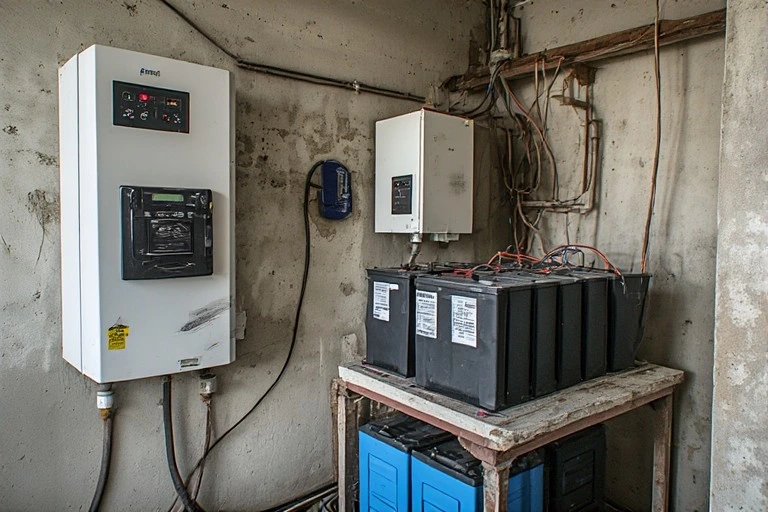
Hybrid Solar Systems Explained for Pakistani Homes
Electricity prices in Pakistan keep rising. Load shedding still happens in many areas. Voltage fluctuation damages appliances. That is why more homeowners are moving toward hybrid solar systems.
But most people are confused.
What exactly is a hybrid system?
Is it better than on grid?
Do you still need batteries?
Is it worth the investment?
Let’s break it down clearly, in practical terms for Pakistani homes.
What Is a Hybrid Solar System?
A hybrid solar system combines:
• Solar panels
• Hybrid inverter
• Battery bank
• Grid connection
It can use solar power, store excess energy in batteries, and also use WAPDA when needed.
In simple words, it gives you flexibility.
During daytime, your home runs on solar.
Extra electricity charges the batteries.
At night, the system uses battery backup.
If batteries drain, it automatically shifts to grid supply.
That automatic switching is the biggest advantage.
How Hybrid Solar System Works in Pakistan
Here is the basic flow:
Daytime
Solar panels produce DC electricity.
Hybrid inverter converts DC into AC.
Your home appliances run on solar.
Extra energy charges batteries.
If net metering is installed, excess units can go back to the grid.
Night Time
System uses stored battery power.
When Batteries Are Empty
It shifts to WAPDA automatically.
This makes it ideal for cities like Multan, Lahore, Karachi and rural areas where power stability is not guaranteed.
Main Components of a Hybrid System
If you want a detailed breakdown of equipment, you can also check our full product lineup on our products page.
Here is a quick overview:
1. Solar Panels
These generate electricity from sunlight. In Pakistan, monocrystalline panels are commonly preferred due to better efficiency in heat.
2. Hybrid Inverter
This is the brain of the system. It manages solar input, battery charging, grid supply and load distribution.
If you want to explore available inverter options, you can review our updated solar products section.
3. Batteries
Lithium batteries are becoming more popular due to longer life and fast charging.
Tubular batteries are cheaper but require maintenance.
4. Mounting Structure and Wiring
Proper installation matters. Poor wiring reduces performance and can create safety risks.
Why Hybrid Solar Is Ideal for Pakistani Homes
Let’s talk practical benefits.
1. Protection from Load Shedding
Even if grid goes down, your home keeps running.
Fans, lights, fridge, WiFi. No interruption.
2. Voltage Stability
Hybrid inverters regulate voltage. This protects AC, refrigerator and LED TV from damage.
3. Lower Electricity Bills
Daytime consumption shifts to solar.
Grid usage drops significantly.
You can estimate your expected savings using our solar estimate calculator before installation.
4. Expandable System
You can start with 5kW and expand later. Hybrid systems allow easy expansion.
If you want to compare available system sizes, check our residential solar packages page.
Hybrid vs On Grid Solar
Many people ask this.
Here is the difference in simple terms:
On Grid System
• No batteries
• Shuts down when grid fails
• Slightly cheaper
Hybrid System
• Includes battery backup
• Works during load shedding
• More flexible
• Higher initial investment
If your area has stable electricity and you only want bill reduction, on grid can work.
If you want backup plus savings, hybrid is better.
What Size Hybrid System Do You Need?
This depends on:
• Monthly electricity units
• Number of AC units
• Appliance load
• Backup requirement
Before deciding system size, calculate your home load using our load calculator tool.
For example:
A 5 marla house with 1 AC may need 5kW system.
A 10 marla house with 2 ACs may require 8 to 10kW.
Every house is different. Never copy your neighbor’s system blindly.
Can You Run AC on Hybrid Solar?
Yes. But system sizing must be correct.
Running a 1.5 ton AC requires around 1.5 to 2 kW load.
If you want to run 2 AC units simultaneously, battery capacity and inverter rating must support that.
Wrong sizing leads to battery drainage and performance issues.
Cost of Hybrid Solar System in Pakistan
Prices vary depending on:
• Panel brand
• Inverter type
• Battery capacity
• Installation quality
Instead of guessing, calculate your system estimate using our solar cost calculator tool. It gives you a realistic starting point.
Is Hybrid Solar Worth It in 2026?
If your goals are:
• Reduce bill
• Get backup
• Protect appliances
• Future proof your home
Then yes, hybrid makes sense.
Electricity prices are unlikely to decrease. Solar investment pays back over time.
Most residential systems in Pakistan recover cost within a few years depending on usage pattern.
Common Mistakes to Avoid
-
Installing without load calculation
-
Buying cheap inverter without warranty
-
Using low quality wiring
-
Oversizing batteries unnecessarily
-
Ignoring ventilation for batteries
Always work with experienced installers.
Who Should Install Hybrid Solar?
• Homeowners facing load shedding
• Houses running 1 or more AC units
• People planning long term stay
• Areas with unstable voltage
If you live in South Punjab, Multan, or nearby areas, professional assessment is important before installation.
Frequently Asked Questions
Does hybrid solar work without batteries?
No. Without batteries, it becomes on grid system.
Can I upgrade later?
Yes. Most hybrid systems allow panel and battery expansion.
How long do lithium batteries last?
Typically 8 to 12 years depending on usage.
Is net metering possible with hybrid?
Yes, if system and meter approval conditions are met.
Final Thoughts
Hybrid solar systems offer both savings and security.
For Pakistani homes dealing with rising bills and unstable supply, it is one of the most practical solutions available today.
Before installing, calculate your load.
Estimate your budget.
Compare available packages.
If you need guidance, system sizing or a proper site visit:
Asif Solar
Shop No 257, Kot Addu Road, Chowk Sarwar Shaheed, Punjab, Pakistan
Call: +92 301 5927775 | +92 301 6669318
Email: asifsolar52@gmail.com
You can also follow our latest installations and updates on our Facebook page.
