
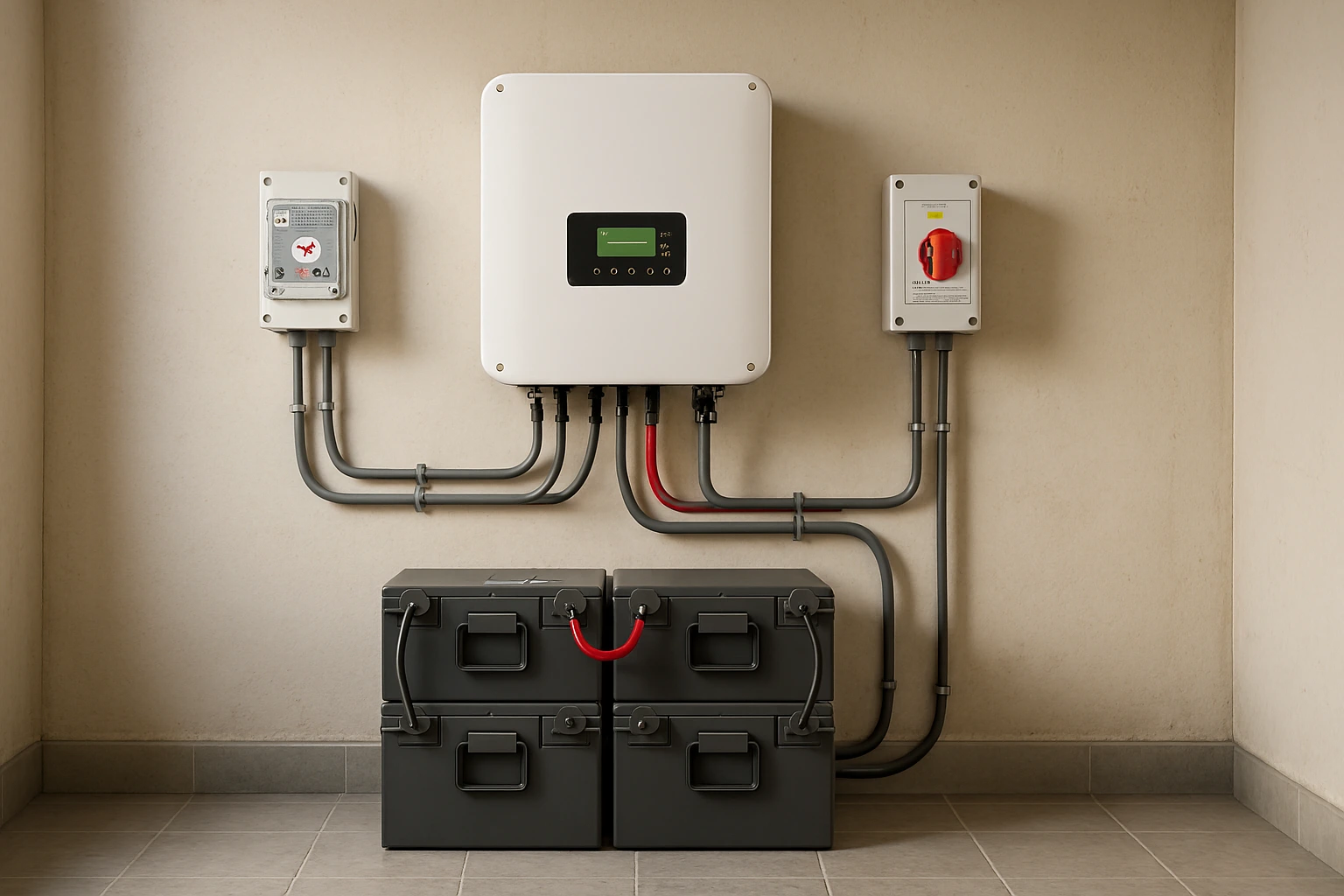
Complete Solar System Components Guide for Homes in Pakistan
Electricity costs in Pakistan are rising every year. Load shedding and voltage fluctuation are still common in many cities. Because of this, more homeowners are installing solar systems.
But most people only know about solar panels.
A complete solar system is much more than panels on the roof.
If you are planning to install solar for your home, this guide explains every component in simple and practical terms.
What Is a Complete Solar System?
A complete residential solar system in Pakistan usually includes:
• Solar panels
• Solar inverter
• Mounting structure
• DC and AC wiring
• Protection devices
• Net meter (for on grid systems)
• Batteries (for hybrid systems)
Each component plays a critical role in performance, safety, and long term savings.
1. Solar Panels
Solar panels convert sunlight into DC electricity.
Types of Solar Panels in Pakistan
Monocrystalline Panels
• Higher efficiency
• Better performance in heat
• Suitable for limited roof space
• Most preferred in Pakistan
Polycrystalline Panels
• Slightly lower efficiency
• Lower cost
• Suitable for large rooftops
In hot cities like Multan, Lahore, and Karachi, monocrystalline panels usually perform better.
2. Solar Inverter
The inverter is the brain of the solar system. It converts DC electricity into AC power for home appliances.
Types of Solar Inverters
On Grid Inverter
• No batteries
• Works only when grid is available
• Best for bill reduction
Hybrid Inverter
• Supports batteries
• Provides backup during load shedding
• Ideal for unstable electricity areas
Off Grid Inverter
• Completely independent from WAPDA
• Requires battery bank
• Used in remote areas
Choosing the correct inverter size depends on your total load and number of AC units.
3. Solar Batteries
Batteries store extra solar energy for night use and backup.
Types of Solar Batteries in Pakistan
Lithium Batteries
• Long lifespan
• Fast charging
• Low maintenance
• Higher initial cost
Tubular Batteries
• Lower upfront price
• Require water maintenance
• Shorter lifespan compared to lithium
If your area has frequent load shedding, battery backup becomes essential.
4. Mounting Structure
Solar panels must be installed on a strong and rust resistant structure.
Common types:
• GI structure
• Aluminum structure
Correct tilt angle improves energy production. In Pakistan, south facing panels with proper tilt give best results.
Poor structure reduces panel life and can create safety issues.
5. DC Wiring and AC Wiring
Solar systems require:
• DC cables from panels to inverter
• AC cables from inverter to distribution board
High quality copper wiring reduces power loss and overheating.
Low quality cables can cause voltage drop and fire hazards.
6. Protection Devices
Protection is critical in Pakistan due to voltage fluctuation and lightning risks.
Essential protection components include:
• DC isolators
• AC breakers
• Surge protection devices
• Earthing system
Skipping protection to reduce cost is a serious mistake.
7. Net Meter (For On Grid and Hybrid Systems)
Net metering allows you to export excess solar units to the grid.
When your system produces more electricity than your home consumes, extra units are sent back.
This reduces your electricity bill further.
Net meter installation requires approval from local electricity authority.
8. Monitoring System
Modern inverters come with mobile apps.
You can monitor:
• Solar production
• Battery level
• Grid usage
• Daily and monthly units
Monitoring helps detect faults early and track savings.
How These Components Work Together
Daytime:
Solar panels generate electricity.
Inverter converts it.
Home appliances run on solar.
Extra energy charges batteries or goes to grid.
Night:
Hybrid systems use stored battery power.
On grid systems use WAPDA supply.
All components must be properly sized and installed to work efficiently.
Common Mistakes Homeowners Make
• Buying panels without checking inverter compatibility
• Oversizing inverter without load calculation
• Using low quality wiring
• Ignoring earthing and protection
• Choosing cheapest installer
A solar system is a 20 plus year investment. Quality matters.
What Size Solar System Do You Need?
System size depends on:
• Monthly electricity units
• Number of AC units
• Total appliance load
• Backup requirement
Example:
5 marla house with 1 AC
Usually needs around 5kW system.
10 marla house with 2 AC units
May require 8kW to 10kW system.
Every home is different. Proper load calculation is essential.
Cost of Complete Solar System in Pakistan
Total cost depends on:
• Panel brand
• Inverter type
• Battery capacity
• Structure quality
• Installation standards
Hybrid systems cost more due to batteries.
On grid systems are comparatively cheaper.
Always compare complete system cost, not just panel price.
Why Component Quality Matters
Cheap components may reduce upfront cost but:
• Reduce system efficiency
• Increase maintenance
• Shorten lifespan
• Create safety risks
High quality equipment ensures:
• Stable performance
• Better ROI
• Long term reliability
Who Should Install Solar in Pakistan?
• Homeowners facing high electricity bills
• Houses with 1 or more AC units
• Areas with load shedding
• Families planning long term stay
Solar is especially beneficial in hot regions where AC usage is high.
Final Thoughts
A complete solar system is not just solar panels.
It is a combination of properly matched components working together safely and efficiently.
Before installing:
• Calculate your load
• Understand system types
• Compare component quality
• Choose experienced installers
A well designed solar system can reduce bills, provide backup, and protect your home from rising electricity costs for many years.
